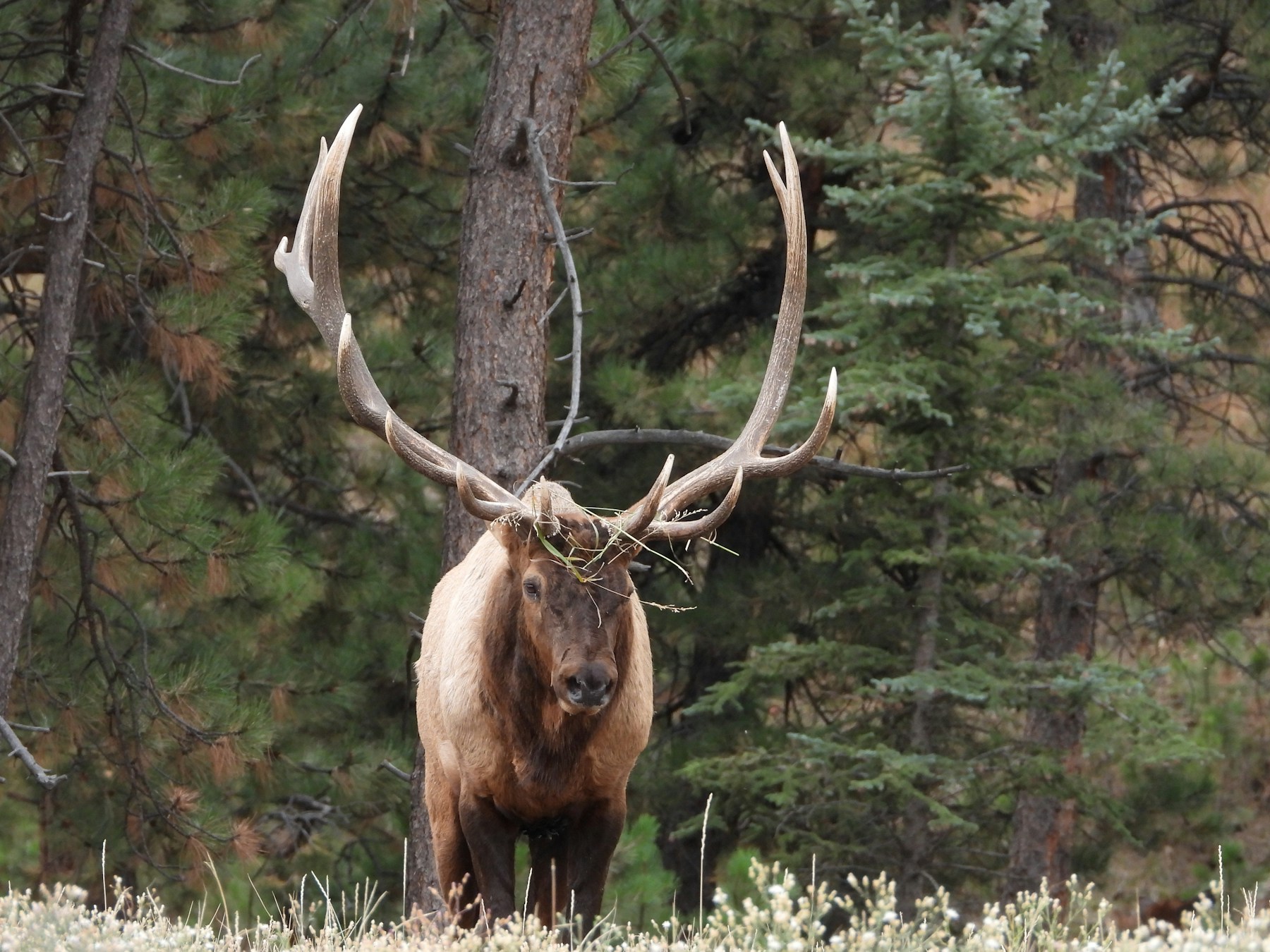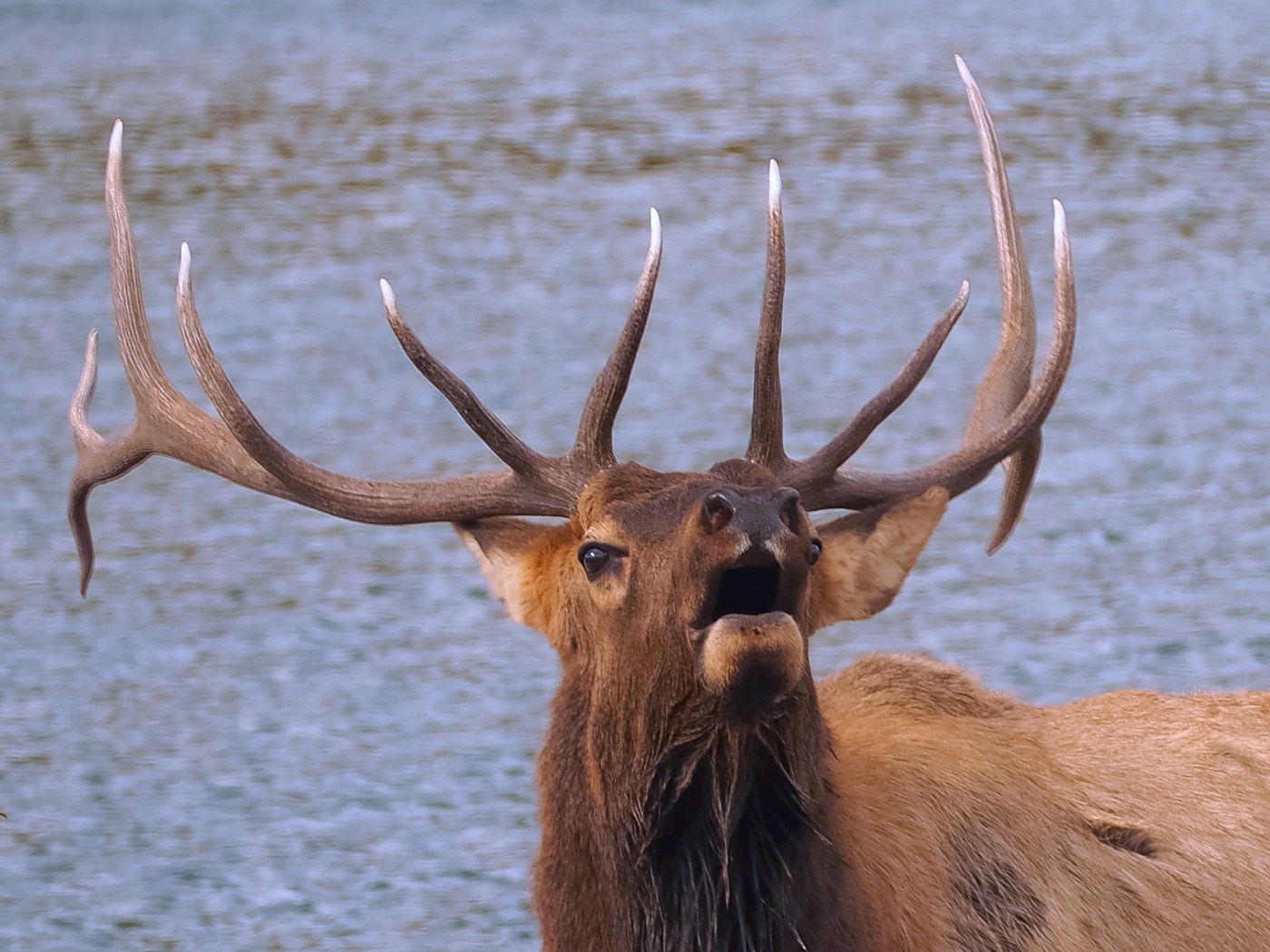
Close portrait of a bugling bull elk with an enormous branching rack

LESS SCROLLING. MORE GOOSEBUMPS.

GET
ELK
OBSESSED.

An unreal animal. An unhealthy amount of fascination.
Welcome to your new favorite rabbit hole.

Or get face-to-face
100%ELK.
ZERO BORING.
CERVUS CANADENSIS / YOUR NEW OBSESSIONENTER ELK COUNTRY PHOTO: ROGER WORDEN ↗

THE ELK CALENDAR

WHAT’S UP WITH ELK
THIS MONTH?

Finding this month’s seasonal spotlight…

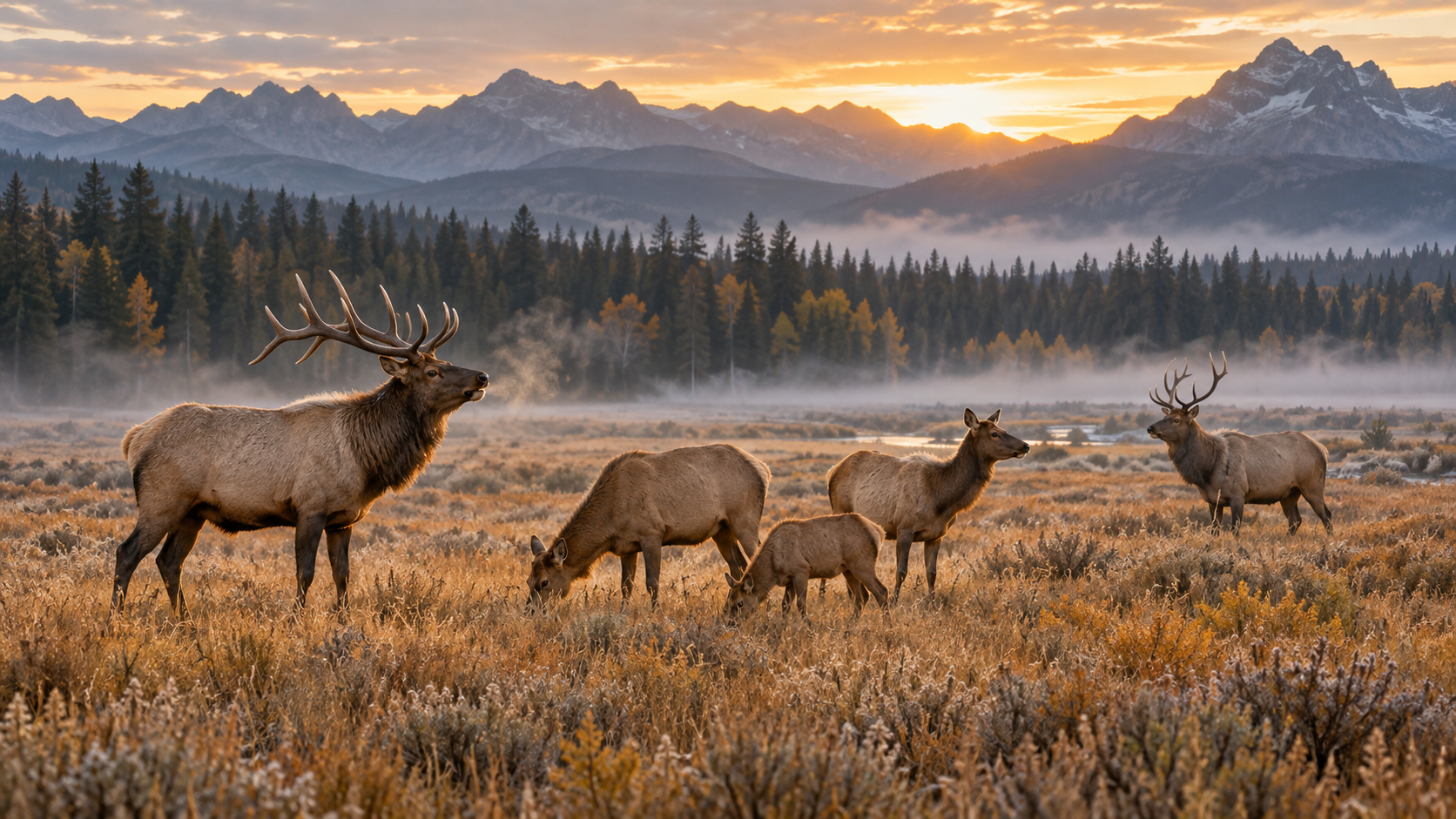
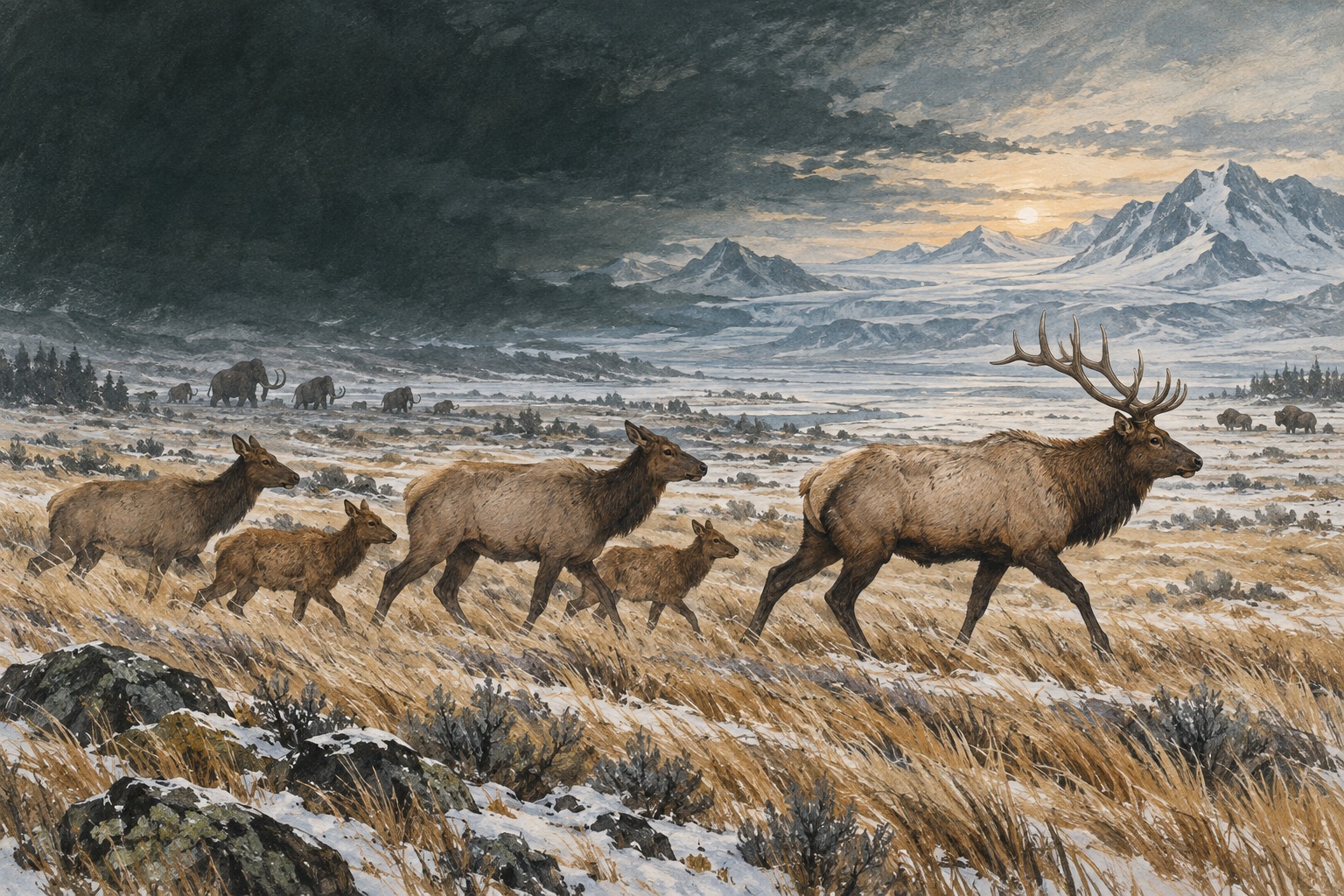
A seasonal guide to North American elk—not a live sighting report. The spotlight changes automatically with your device’s calendar. Photos illustrate the topic; they were not necessarily taken in the selected month.

01 / BUILT DIFFERENT

MEET THE
MAIN CHARACTER.

Every detail has a story.
Pick a point. Get closer.

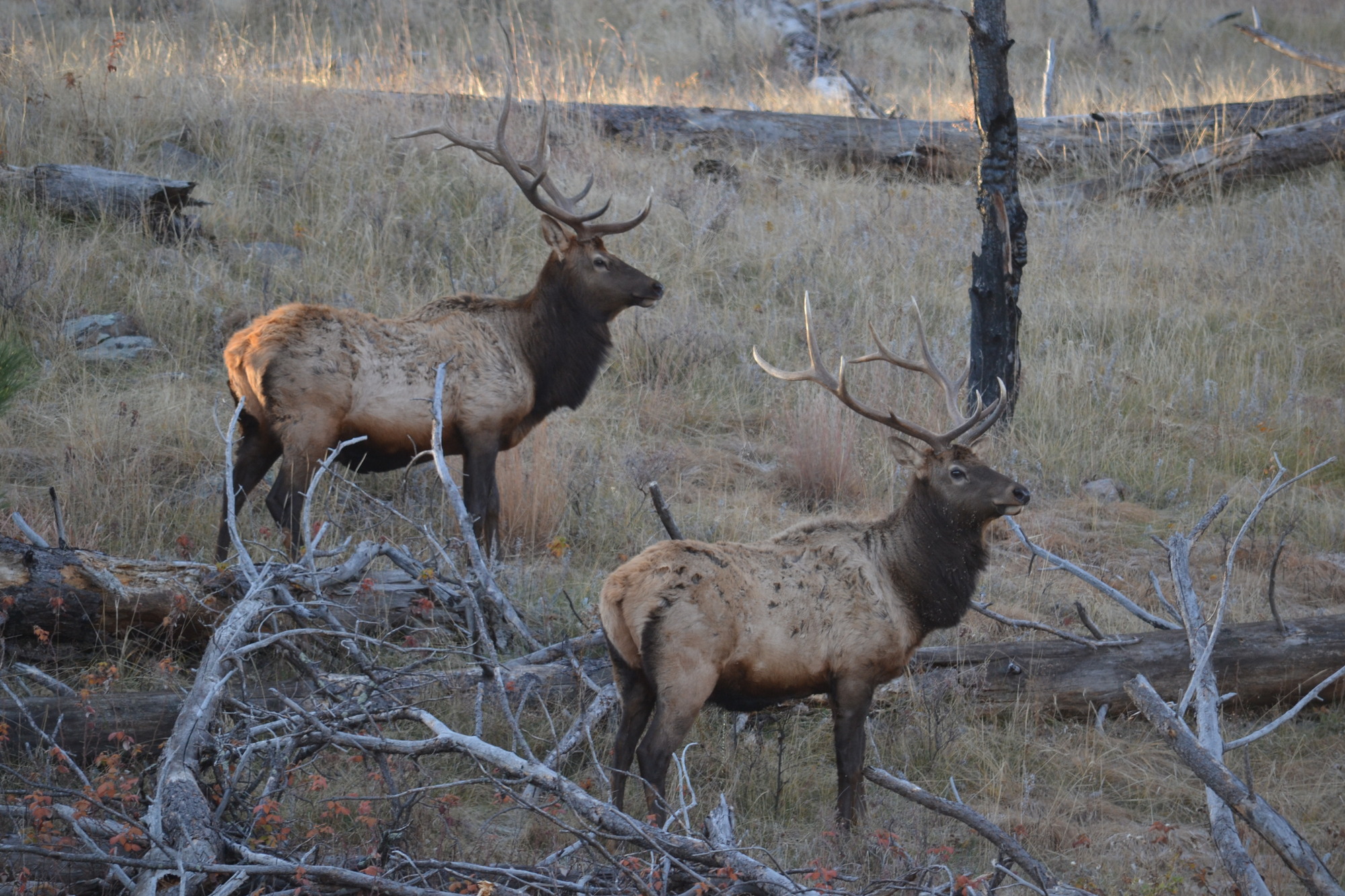
Bull elk standing at the edge of a conifer forestCERVUS CANADENSIS / BULL ELKElijah Pilchard / Unsplash
01

GROW. SHED. REPEAT.

An annual rebuild.

That entire rack is bone. A bull sheds it and grows another set, nourished by blood-rich velvet. Move through the antler year to see the cycle.

Explore the antler year
FOLLOW YOUR CURIOSITYThe bugleInside the voiceAntlersSuper sensesWild placesElk life

02 / THE SOUND LAB

THAT’S AN ELK.
YEAH. REALLY.

Headphones on.
Let the mountains do the talking.

YELLOWSTONE FIELD RECORDINGS
01FIELD
TAKE

THE OPENING CALL

A bull’s voice breaks through the quiet at Mammoth Hot Springs.

PRESS PLAY. MEET THE VOICE.
0:000:34

PICK YOUR CALL

WHAT ARE YOU HEARING?

A bugle can combine a low voice with a high whistle. One animal. Two sound sources. An entire valley paying attention.

Inside the science
Original NPS recordings · Public domain

THE ANATOMY OF A BUGLE

INSIDE THAT
UNREAL VOICE.

Follow the air. Meet the muscles.
Explore how one animal can produce two pitches.

ELK VOCAL APPARATUS / ILLUSTRATED CUTAWAYEXPLANATORY MODEL
Illustrated side cutaway of an elk’s head and neck, showing the tongue, airway, larynx, trachea, and surrounding tissue
VOCAL FOLDS / SLOWED SCHEMATIC
Illustrative proportions · airflow path simplified

01 / PHYSIOLOGY

Air supplies the energy.

Exhaled air travels up the trachea toward the larynx. Pressure below the vocal folds supplies energy for phonation.

WATCH THE MODEL

Follow the blue airflow toward the voice box.

Research behind this step

MAGNIFIED / CONCEPTUAL VIEW

The vocal folds.

Vocal-fold tissueAir through the glottis

Muscles adjust position and tension. Airflow drives the rapid vibration. This geometric diagram shows the principle, not an endoscopic view.

Animation slowed for visibility. Real cycles are far faster; 145 Hz means about 145 cycles per second.

TWO SOURCES / ONE CALL

A voice. And a whistle?

LOW COMPONENTStudy mean ≈145 Hz
HIGH COMPONENTStudy mean ≈1,426 Hz

These are study averages, not fixed pitches for every elk. Traces show an illustrative contrast, not a measured waveform.

Real NPS audio plays independently. The diagram is not synchronized to this animal’s internal movements.Original NPS recordings
How closely does this match a real bugling elk?

This is a research-informed illustration, not a scan or a recording inside a living elk. The five steps separate interacting processes for explanation; they are not a measured sequence of muscle events. Airflow arrows, tissue motion, timing, and proportions are simplified.

Earlier biomechanical and anatomical work explored high-tension vocal-fold mechanisms. Reby and colleagues’ 2016 analysis supported two sound sources and proposed an aerodynamic whistle for the high component. The exact whistle mechanism is not settled, so the model marks it as a hypothesis.

Titze & Riede · 2010 model ↗Comparative elk anatomy ↗Reby et al. · 2016 acoustics ↗

03 / THE ANTLER MACHINE

BUILT. DROPPED.
BUILT AGAIN.

A whole new rack. Every single year.
Take the controls and watch it happen.

BARE PEDICLES
The reset
ILLUSTRATED LIFE CYCLE
STAGE 0106 STAGES / ONE YEAR

SPRING

DROP THE CROWN.

Many bulls cast their antlers in March or April. The permanent bony bases—the pedicles—stay on the skull.

LOOK CLOSELY

Look above the ears: the rack is gone, but its foundations remain.

AI-generated educational illustration, not photographs or a measured growth simulation. Months show a representative sequence; timing, size, and form vary between elk.

THE BIOLOGY / NPS
THE WILDEST PART?

They don’t keep adding to the same crown.
They build a new one.

Leave shed antlers in the wild. They return minerals to the ecosystem.

03 / A DIFFERENT WAY TO KNOW THE WORLD

THEY KNOW YOU’RE THERE.

Step into an elk’s sensory world. There’s a lot happening beyond what we notice.

ScentA powerful early warning system

THE WORLD ON THE WIND

The nose knows.

An elk’s first line of information is often scent. With a keen sense of smell, elk can detect danger that is still out of sight. The wind is carrying an entire conversation we can’t read.

Watch for a lifted nose and a pause: an elk may be sampling the air before deciding its next move.

Explore the science
A large elk herd on a snowy plain beneath mountains

04 / WHERE THE WILD LIVES

OUT HERE,
THEY RUN THE SHOW.

Photograph: USFWS ↗

From mountain meadows to coastal grasslands and rainforests, elk make a life in remarkably different places. Explore four North American landscapes.

HIGH MEADOWS · FOREST EDGES

Room to roam.

Elk move between open feeding areas and sheltering forests. In the Greater Yellowstone landscape, some follow fresh plant growth into higher country and descend as snow makes food harder to reach. Others stay closer to home.

Migration is a strategy, not a rule. Different herds live on different seasonal schedules.

Explore Yellowstone elk

These are habitat spotlights, not a complete range map. Elk occupy a wider range of landscapes than the four shown here.

05 / THE RHYTHM OF ELK LIFE

FOUR SEASONS. FULL SEND.

03

AUTUMN

Turn the wild up.

The rut brings mixed herds, posturing bulls, and those unforgettable bugles. In many mountain herds, September and October are the great chorus.

A year with elk · National Park Service

On the menu.

Grasses, leaves, and other plants fuel an elk’s day. Like other deer, elk are ruminants: microbes help break down plant material, and chewing cud gives a meal another round of processing.

How deer digest

Life in the herd.

Cows and calves form social groups, while bulls often spend time apart outside the breeding season. The shape of a herd changes with the season and the resources around it.

Explore elk society

The quiet hours.

Early mornings and evenings often bring elk into the open to feed. Between meals and movement, they rest. Slow observation reveals a world beyond the dramatic autumn rut.

Get to know their habits

THE WILD, ON SCREEN

CANCEL YOUR NEXT FIVE MINUTES.

Real elk. Real places. A few minutes well spent.

Films are embedded from their original publishers. Photographs above are editorial cover images, not frames from the films.

LEGENDS & FIELD NOTES

LEGEND STATUS. EARNED.

THE ELKAHOLIC CHALLENGE

THINK YOU
KNOW ELK?

Five questions. A few surprises.
Absolutely no binoculars required.

QUESTION 1 OF 5

An elk grows its impressive antlers…

LOVE THEM. LET THEM BE WILD.

BIG LOVE.
KEEP YOUR DISTANCE.

Watch quietly. Give elk plenty of space. Use a long lens or binoculars, never food or calls to draw them closer. If your presence changes their behavior, step back. Leave calves and shed antlers undisturbed, and follow the rules wherever you visit.

A little kindness in the wild